
Kitten vaccination schedule: which shots and at what age
Several visits a few weeks apart, then a booster. What the dates on your kitten's card mean, why there are so many and what to keep after each visit.
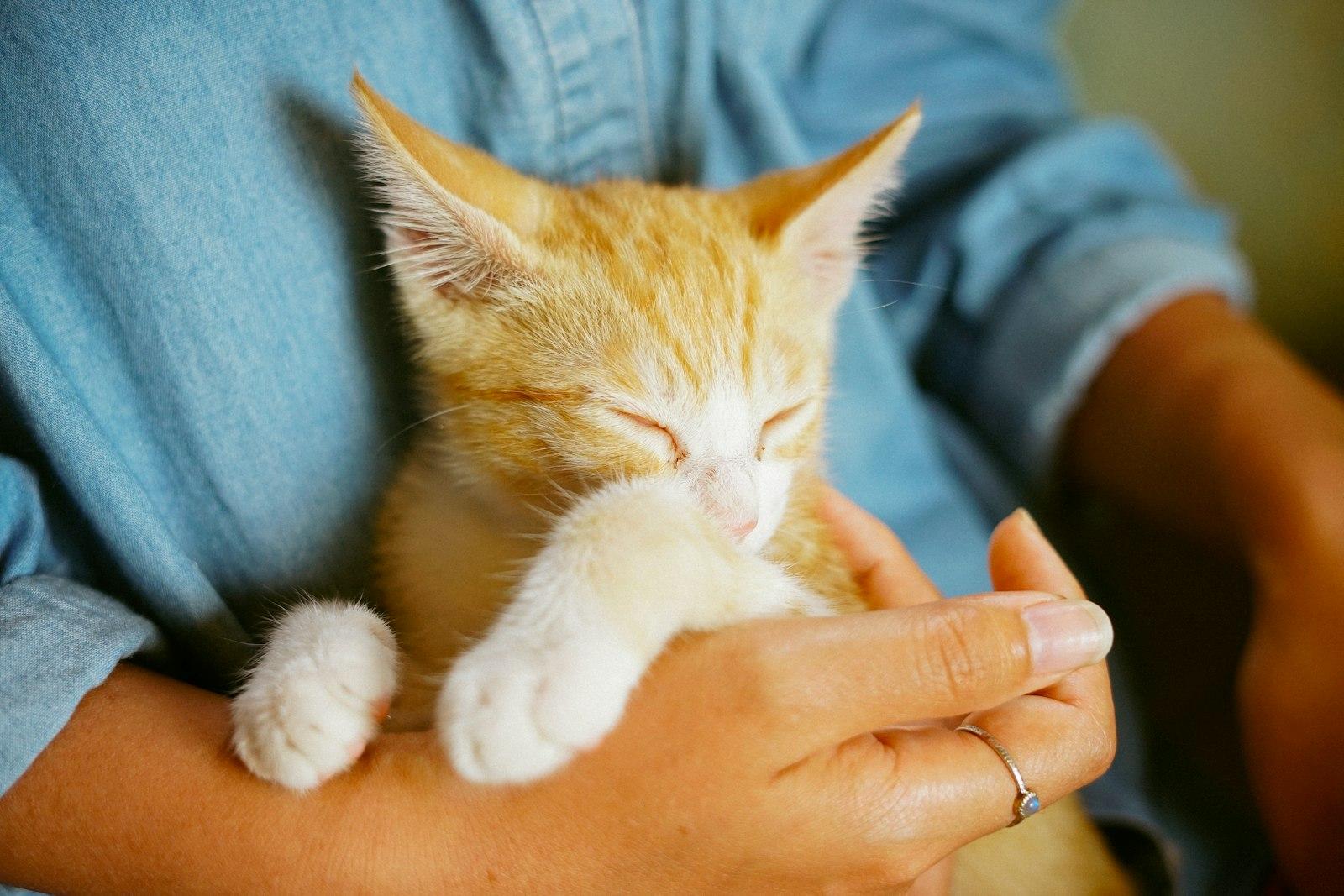
Your kitten comes home with a small card and a date written on it. Three weeks later there is another date. Then another. It can feel like the visits never end, so here is what the dates mean and why there are several of them.
Nothing here is a schedule to follow. Your vet sets the timing for your kitten, based on where you live, what the law requires there and how your cat will live. What a guide can do is explain the shape of the year so the appointments make sense.
Why one injection is not enough
A newborn kitten is protected by antibodies from its mother's first milk. That protection fades over the first weeks of life. While it lasts it does two things at once: it defends the kitten and it can stop a vaccine from working.
Nobody can tell the exact week when that protection runs out for your kitten. So vets repeat the dose at intervals across the whole window. Whenever the mother's protection fades, a dose arrives soon after. This is why finishing the course matters more than starting it early.
The shape most first years take
In broad terms, following the pattern in international guidelines such as those of the World Small Animal Veterinary Association, with every date subject to your vet's judgement:
| Age | What usually happens |
|---|---|
| Around 6 to 8 weeks | First core dose. Often given before the kitten goes to its new home |
| Every 2 to 4 weeks after that | Further doses of the same core vaccine |
| 16 weeks or older | Last dose of the kitten series. The one that closes the window for nearly every kitten |
| From about 12 weeks | Rabies, where it is given. The timing is set by law where you live |
| 6 to 12 months | A booster that completes the kitten series |
Rabies is also the vaccine that decides whether a cat can travel. Your vet will tell you which booster date they use.
How old does a kitten have to be for its first shots?
Most kittens get their first core dose at around 6 to 8 weeks. A kitten that starts later simply starts later. The vet adjusts the plan to the age on the day.
How many shots does a kitten need?
It depends on the age at the first dose. A kitten that starts at 8 weeks will often have three core doses before the series ends at 16 weeks or older. One that starts at 12 weeks may need two. Add rabies where it is required and any vaccine your vet recommends for your cat's way of life. So most owners make three or four visits in the first months.
What shots do kittens need? The letters on the card
The core vaccine protects against three diseases, so it appears on the card as a set of letters:
- Panleukopenia, also called feline parvovirus or feline enteritis
- Feline herpesvirus, one cause of cat flu
- Feline calicivirus, the other common cause of cat flu
In the United States the combination is usually written FVRCP. In Europe you will often see RCP, a product name or simply "cat flu and enteritis". Different letters, same ground.
The vaccines that depend on how your cat lives
Beyond the core set there are vaccines whose value depends on the cat's life. Feline leukaemia virus is the common one, often recommended for kittens and for cats that go outdoors or live with other cats.
This is the part of the appointment worth your questions. Tell the vet honestly whether the cat will go outside, whether it will meet other cats and whether it will stay in a cattery. The recommendation follows from that.
Indoor kitten vaccination schedule: is it different?
For the kitten series, usually not. It is tempting to skip vaccines for a cat that never leaves the flat. Vets still recommend the core set for indoor kittens, because some of these viruses travel on shoes, hands and clothing. A cattery or a new pet in the home can also change the picture overnight.
What can differ is the second group: an indoor cat with no contact with other cats may not need every optional vaccine. Rabies follows local law whether the cat goes out or not. Ask your vet what they advise for yours.
What kitten shots cost
Prices differ too much between countries and clinics for one honest number. What moves the total:
- The number of visits. Each one usually includes an examination fee.
- Which vaccines are given. The core set costs less than the core set plus optional ones.
- Where you go. Shelters and charity clinics often charge less than private practices.
- Packages. Many clinics sell a kitten plan that covers the whole series.
Ask the clinic for the price of the full kitten course before the first visit, not the price of one injection. If your cat has insurance, check the policy: routine vaccines are often not covered unless you add a wellness option.
What the record has to contain
A cattery, an insurer, a border official or the next owner will all ask for the same details:
- The product name of the vaccine
- The batch number, printed on the sticker from the vial
- The date it was given
- The clinic stamp and the vet's signature
- The microchip number, once the cat is chipped
A note in your calendar saying "second jab done" is not a record. Photograph the whole page after every visit, flat, with all four corners in the frame.
So the next date finds you
The next due date lives on a card in a drawer, which is why boosters get missed. In EverPet you photograph the card, the app reads the printed fields into a record and the next due date becomes a reminder on your phone. It reads what the vet wrote. It does not decide what should have been given and it does not tell you whether a dose is early or late. See how reminders work.
Before the next appointment
- Photograph the card as it stands today
- Write down how your cat will live: indoors, outdoors, other cats, cattery
- Ask the vet for the date of the booster and put it somewhere you will see it
Related
Get EverPet
Free to start, on iOS and Android.