
Cat years to human years: how the conversion really works
Multiplying by seven is wrong at almost every age. The rule most charts use instead, worked examples and what the number cannot tell you.
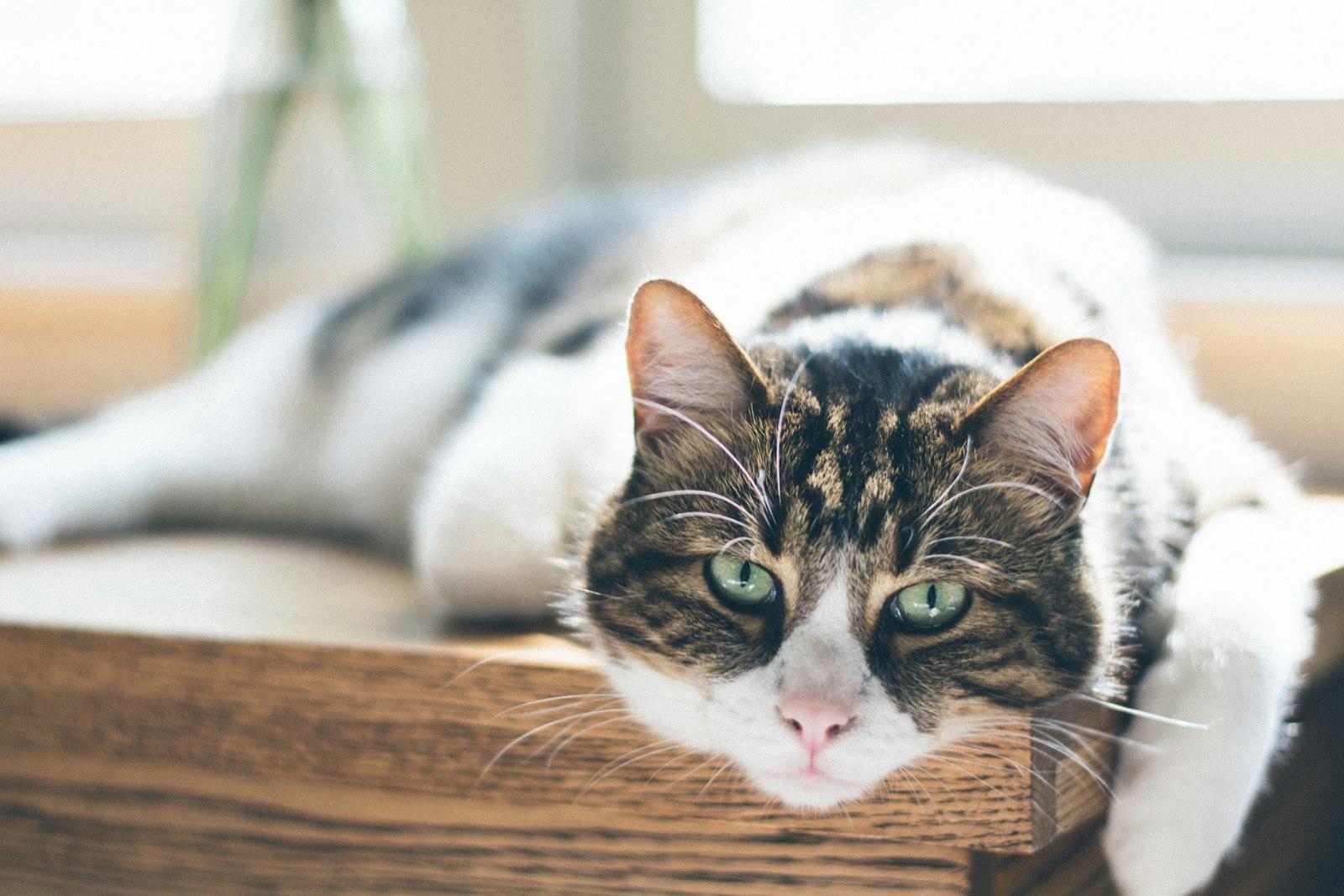
The usual answer is to multiply by seven. It is easy to remember and it is wrong at almost every age. A one year old cat is nothing like a seven year old child. A twenty year old cat is not 140.
Here is the rule most charts use instead, a few worked examples and an honest account of what the number can and cannot tell you.
The 15, 24, then 4 rule
- The first year of a cat's life counts as 15 human years.
- The second year adds 9, which makes a two year old cat 24.
- Every year after that adds 4.
So for any cat aged two or older: take the age, subtract 2, multiply by 4 and add 24.
Worked examples
- 1 year: 15 human years
- 2 years: 24
- 4 years: 32
- 6 years: 40
- 8 years: 48
- 10 years: 56
- 12 years: 64
- 15 years: 76
- 18 years: 88
- 20 years: 96
Months count in proportion. A cat of one year and six months comes out at 19 and a half.
Why multiplying by seven fails
Cats grow up fast and then age slowly. A cat is close to fully grown at one year old, which is why that first year is weighted so heavily. A single multiplier cannot describe both the sprint at the start and the long steady stretch that follows. Seven makes young cats look far too young and very old cats look impossibly old.
Going the other way
For a human age of 24 or more: subtract 24, divide by 4 and add 2. A 40 year old person matches a six year old cat. A 60 year old matches a cat of eleven.
What one cat year is worth
It depends on which year. The first is worth 15 human years, the second 9 and each one after that 4. This is why a single figure never works.
What the number does not tell you
The conversion is a way of picturing an age. It is not a health age. It does not say whether your cat is acting normally for its years and it does not predict how long any cat will live. Life stage charts draw their lines in different places, so labels such as senior are best left to your vet, who knows your cat.
If you notice a change in appetite, weight, thirst or behaviour, a calculator is the wrong tool. Talk to your vet.
The date that matters more
For records, the conversion matters much less than the date of birth. Vets, insurers and boarding forms ask for a date of birth or an age in ordinary years, never in human years. If you adopted your cat and nobody knows the date, ask your vet for an estimate and write down that it is an estimate.
To convert any age without doing the sums, including months, use the free cat years to human years calculator.
Related
Get EverPet
Free to start, on iOS and Android.