
What documents a pet insurance claim actually needs
Most rejected claims are not rejected on the medicine. They stall on a receipt that is not an invoice, an unsigned form, or a history the insurer never received.
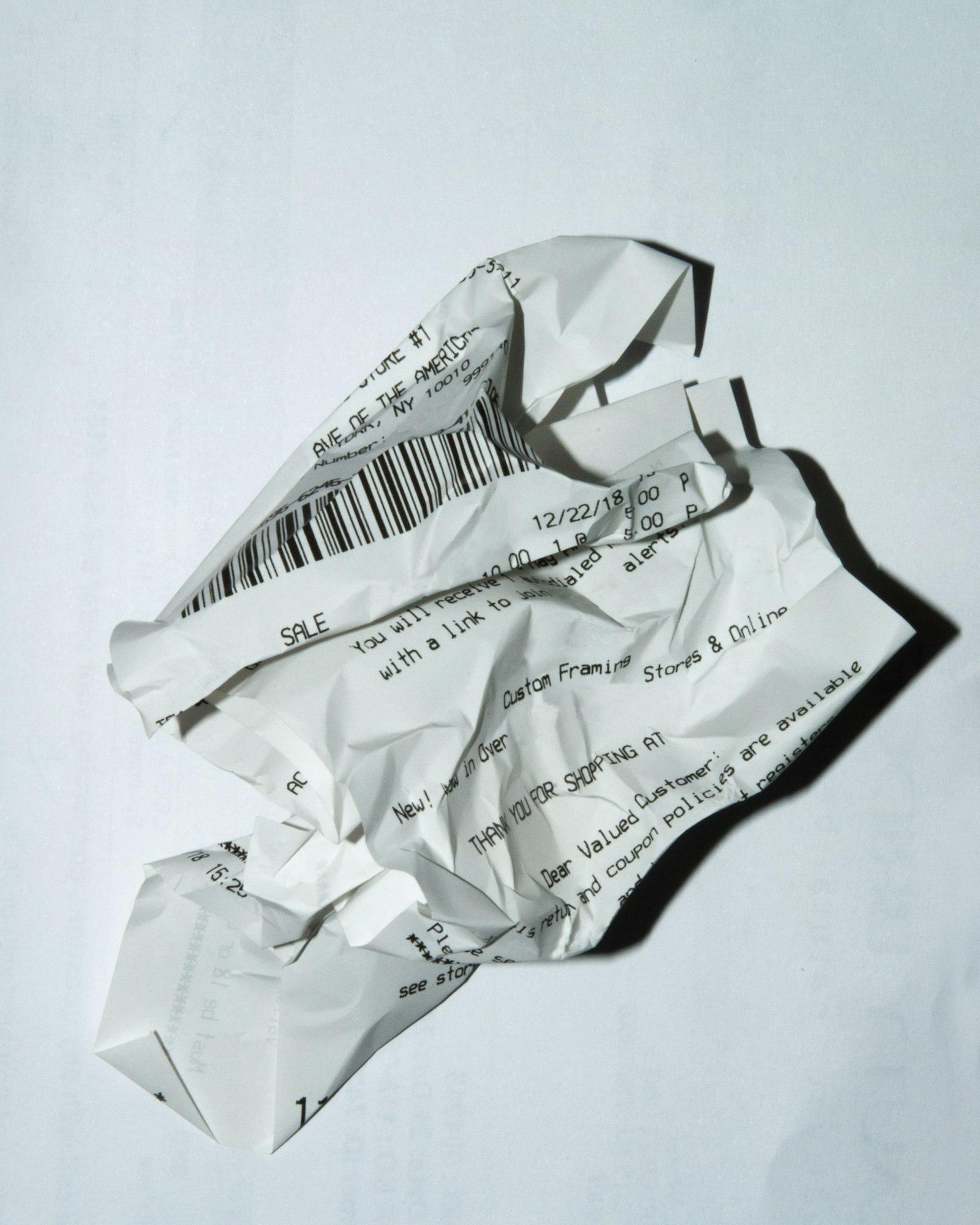
Most claims that get rejected or delayed are not rejected on the medicine. The treatment was appropriate, the policy covered it and the money was still slow — because a form was unsigned, a receipt was not an invoice, or an insurer spent six weeks chasing records from a clinic you went to two years ago.
That part is entirely within your control and it is much easier to handle on the day of the visit than three weeks later.
The five things nearly every insurer asks for
Wording differs between insurers and countries, but the list underneath is remarkably consistent:
- The claim form, with the veterinary section completed and signed by the practice. Many
- An itemised invoice for the treatment — not a card receipt, not a total.
- The clinical notes for that episode: what was presented, what was examined, what was found,
- The full medical history, usually on a first claim or whenever a new condition appears.
- Proof of payment, if the invoice does not itself show that it was settled.
Why "itemised" is the word that matters
A card receipt says €240. An invoice says: consultation, two radiographs, sedation, a bandage, seven days of medication — each with its own price.
Insurers do not reimburse totals. They apply your policy line by line: this is covered, this falls under the annual limit for diagnostics, this consumable is excluded, this is the excess. Given only a total, an assessor cannot do that, so they ask again and the clock restarts.
If the practice hands you a card slip, ask at the desk for the itemised invoice before you leave. It takes them thirty seconds and it is the single most common cause of a returned claim.
The history request is what actually slows things down
The first time you claim — and any time a new condition appears — the insurer will ask for the animal's complete history. They are checking for pre-existing conditions, which is the exclusion almost every policy is built around.
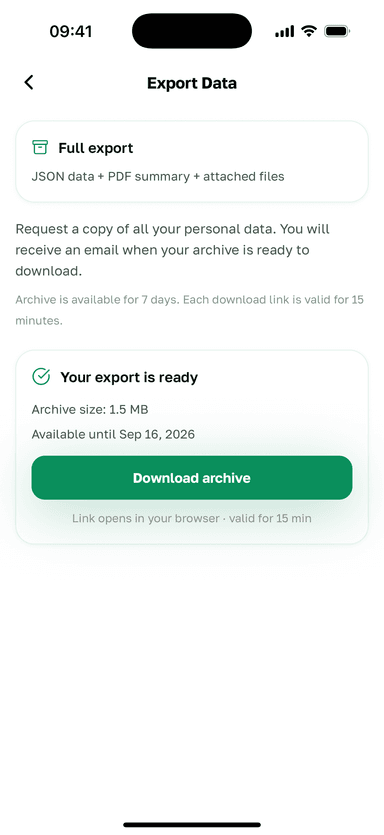
If your pet has only ever seen one practice, this is a phone call. If it has seen three, including an out-of-hours clinic on a Sunday and a specialist referral, the insurer has to request records from all three, each of which replies at its own speed. This is how a claim goes from two weeks to two months and it is the one delay you can pre-empt by simply having the records yourself.
Deadlines and the ones for long conditions
Policies carry a window for submitting a claim after treatment — commonly somewhere between 90 and 180 days, occasionally much shorter. It is in the policy document and it is worth knowing the number rather than assuming.
Ongoing conditions have a second trap: many insurers require a continuation claim to be re-submitted for each policy year, with fresh notes, rather than treating the condition as already approved. Missing that renewal step can end cover for the one condition you most need it for.
Photograph the paperwork properly
The documents an insurer receives are usually photographs taken by the owner and a surprising share of them are unusable.
- The whole page, flat, all four corners in frame. A cropped invoice number is a returned claim.
- Every page, including the last one that is mostly white space — assessors check for a missing
- No shadow across the text, which usually means not standing directly over it with the phone.
- Do it at the practice, before the paperwork joins everything else in the car.
What EverPet does with this and what it does not
EverPet is where the documents live: invoices, clinical notes and history filed against the right animal, with the fields read out of the page so you can find a date without opening every file. When the insurer asks for the history, you export it — the originals plus a summary, as one download — instead of ringing three clinics.
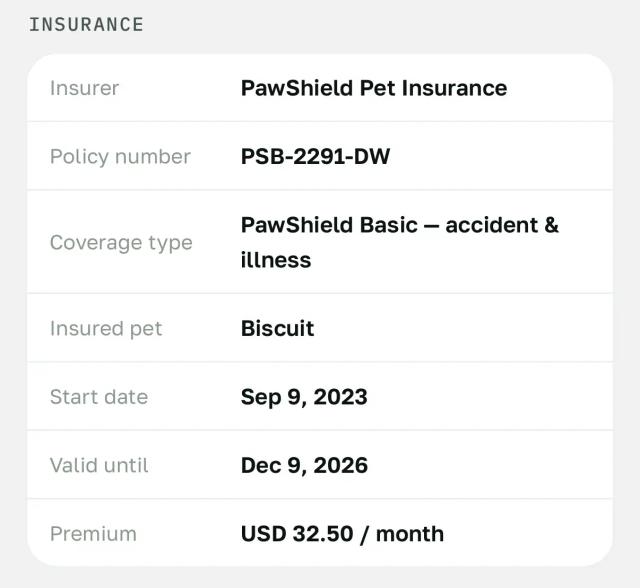
It does not file claims, it does not talk to insurers and it does not tell you whether something is covered. Those are between you and your policy. What it removes is the archaeology.
The five-minute habit
After every appointment, before you drive home:
- Ask for the itemised invoice if you were given a receipt.
- Photograph the invoice and any notes or discharge sheet, whole pages.
- File them under the animal, with the date and the clinic in the name.
Do that consistently and the next claim is an upload, not an afternoon.
Пов'язане
Встановіть EverPet
Безкоштовно для початку, на iOS та Android.